
As a teenager, Bojan Gluvajić knew wine as the stuff that spoiled the taste of Coca-Cola in a bambus, the local red-wine-and-cola mix. At receptions, he would accept a glass of sparkling wine, hold it long enough not to appear rude and scan the room for a waiter carrying beer.
Then, in Leipzig, he began stroking a radiator.
He was playing volleyball in Germany and going through what he would later describe as perhaps the hardest period of his life. Bad news arrived one piece after another, and the only warmth waiting in his empty flat came from the radiator.
“Stroking the radiator was my only feeling of warmth back then.”
One day, without any plan, he parked outside a small wine shop on a Leipzig side street. He went in, briefly examined the shelves and chose a Spanish bottle and a Portuguese one, although he knew too little to claim afterwards that he had chosen well. With a bag in one hand and the other already on the door handle, his thoughts returned to the empty flat and warm radiator.
Then the shopkeeper’s voice stopped him.
“Have fun with your wine!”
It was more than the wine that won him over. He was drawn to the ritual of choosing a bottle, the shopkeeper’s ease and the feeling that he had entered a world that could be special without being stiff or excessively grand.
In Germany, he began discovering sparkling wines; in France, reds; and in Finland, tap water, because wine was too expensive. Thus began what he called his liquid metamorphosis from beer drinker to wine drinker.
Many years later, wine would become his work and his music would fill concert halls. That day in Leipzig, he did not yet know that those worlds would meet at a winery he had never heard of, near places he could not locate on a map.
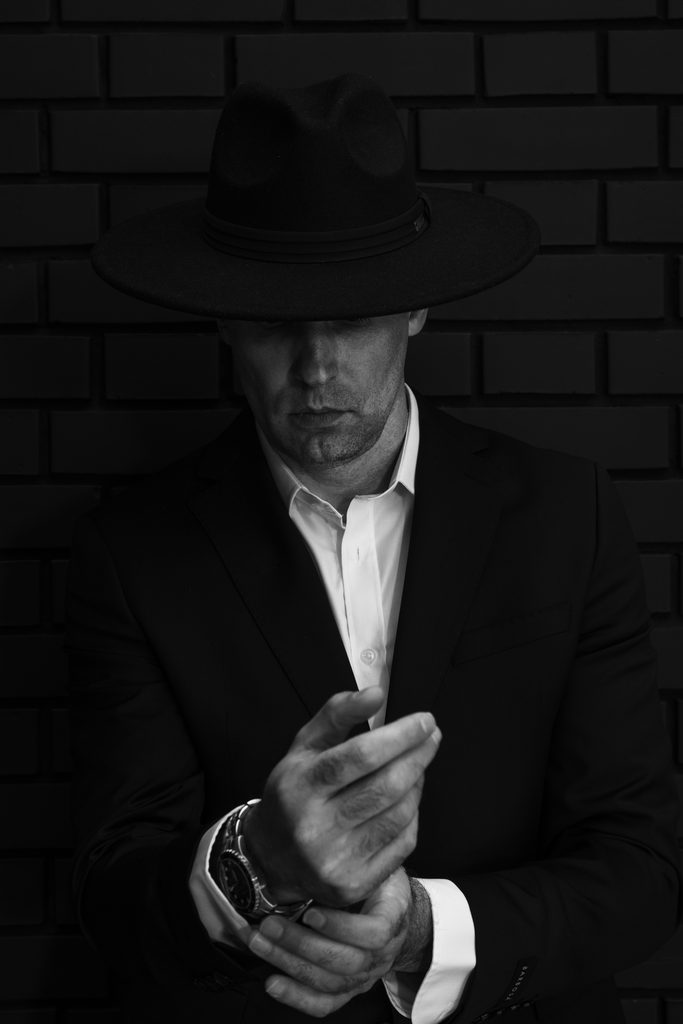
Before wine became his business, Bojan spent almost twenty years making his living from volleyball. He captained Partizan for two years, made Serbia’s extended national squad and attended training camps, but never became a full international. He did not dwell on that for long.
“I think most of my mistakes came from thinking too much. In sport, the most important thing is to play in the moment.”
He played in Germany, France and Finland. He also helped Mursa of Osijek win the Croatian Cup, playing without payment and leaving the final tournament with the Most Valuable Player award. He changed clubs, cities and countries so frequently that he rarely stayed anywhere longer than a year.
“Behind it all was my constant need for change.”
Towards the end of his playing career, he decided on one more season in Finland, where he would bring his volleyball days to a close. After eight years abroad, he returned to Serbia without a clear answer to what a professional athlete becomes after the final match.
Volleyball had left him with stubbornness.
“Whatever the scoreboard says, I always play to win.”
It had not, however, left him with an obvious next profession. After his final match, he did not try to extend his career from the sidelines or live on memories of Partizan and foreign clubs.
He bought an electric guitar.
He was in his thirties, no virtuoso, and had no detailed plan. The guitar was there to help him express what he had long been trying to turn into lyrics and melodies. As outside that Leipzig wine shop, he entered a new life without any grand occasion.
Out of the blue.
Boris Bakalov had been his best friend since their volleyball days. Instead of having serious discussions about life after sport, they sent each other comic songs written at the other’s expense. At some point, they realised that what emerged from their teasing was not bad at all.
At a café in their hometown of Vrbas, they discovered that the barman could play, as could some of the regulars. Bojan and Boris persuaded Bojan’s brother Mane to pick up his bass guitar again. They had enough people for a band and enough songs to play for friends. Their ambitions extended little further.
They found their name on the road to Mostar. Afterwards, nobody could remember who first uttered the phrase ničim izazvan-unprovoked, out of the blue-but everyone instantly knew they had found it.
“Someone said it, and we all jumped: that’s it!”
They recorded their first songs at Mostar’s MC Pavarotti Studio. Money was scarce: a video featuring twenty-nine young women was made without a budget, with Bojan’s friend Milena Goševski donating her directing work. Producer Đani Pervan looked at the collection of former volleyball players, barmen and Vrbas café regulars and concluded:
“It’s all so crazy it might just work.”
Their first public performance was as support for Partibrejkers at Belgrade’s Božidarac. Their song O tebi became Radio B92’s hit of the year, and Ničim izazvan soon began travelling from city to city, hearing audiences sing lyrics born from jokes between friends. They also won MTV’s Best Adria Act award for the region’s best act.
Later, he owned three electric guitars and gave each a woman’s name. A musical career begun at an age when many musicians already have several albums behind them showed him that professionalism has little to do with when you start.
“Although we were amateurs, we worked professionally from the beginning.”
The leap from volleyball to music was greater than anything he would do afterwards. In sport, he at least knew the rules, his position and the score. In music, there was no scoreboard to tell them whether they had won. There was only an audience that would come back-or never return.
While Ničim izazvan was learning how friendly jam sessions became a serious band, a winery of almost the same age was growing in Viteževo. Virtus was founded in 2010, its vineyards began taking shape a year later, and its first harvest arrived in the rainy year of 2014.
Four partners had searched for land from Subotica to Vranje. In Viteževo, they found an area with an existing winegrowing history and assembled twenty-eight hectares. When they realised how much money a serious winery would require, they brought in friends. Virtus acquired eleven owners and developed without bank loans, reinvesting profits in vineyards and cellar.
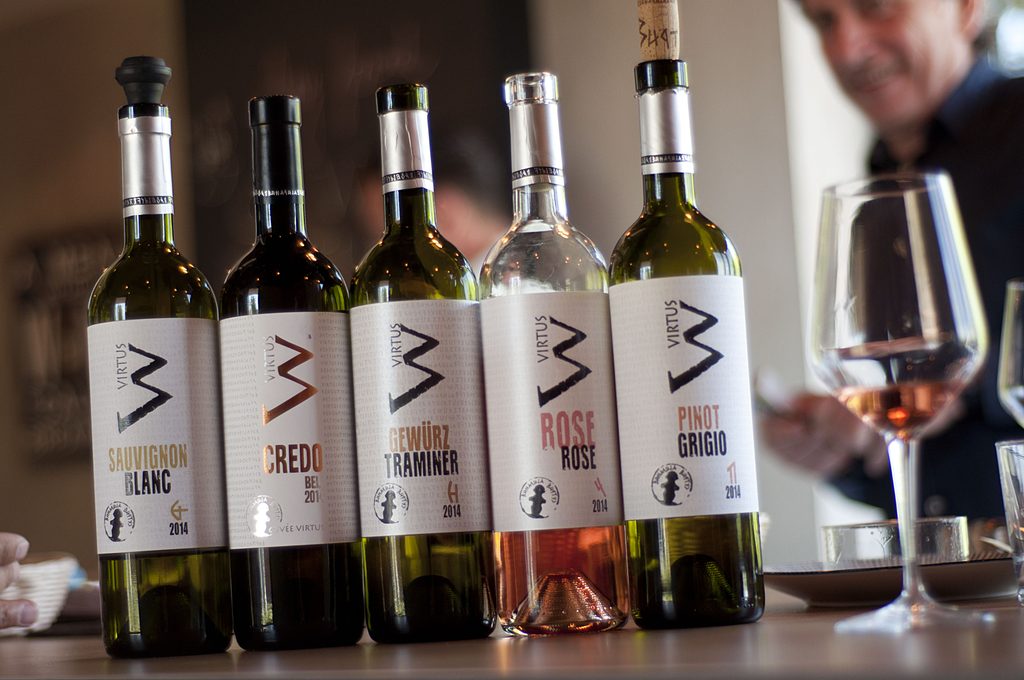
The first wines were almost experimental, but the market took them far more seriously than the owners expected. The next vintage brought medals from major international competitions. The red blend Credo scored 92 points and won silver at Decanter, while Virtus returned from AWC Vienna as the competition’s most decorated Serbian winery.
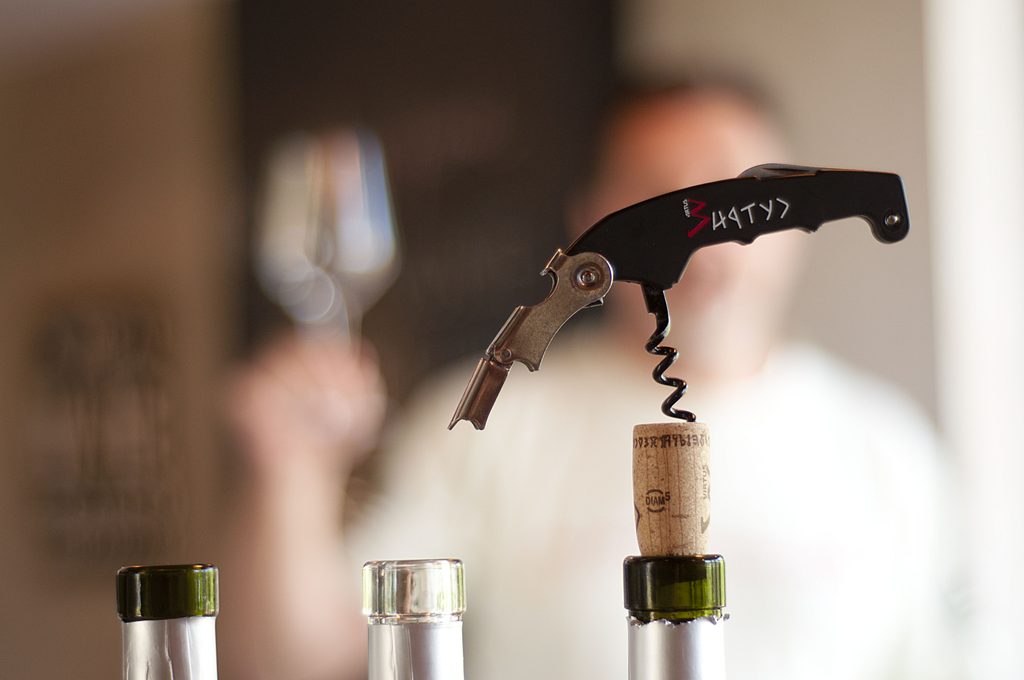
The wines, however, spoke louder than their promotion. Dejan Stanković, one of Virtus’s owners and driving forces, admitted that the winery was restrained in its marketing because that reflected the people running it. They needed someone who could talk about awards and wines without embarrassment, but also without the stiffness Bojan had encountered at banquets while looking for beer.
Many people applied for the brand-manager position. Bojan knew nothing about the wine trade, had never heard of Viteževo or Žabari, and recognised Svilajnac only as a name.
To the owners, all that evidently mattered less than a CV featuring Partizan, eight years of volleyball abroad and a band that had become regionally known without a plan.
“Virtus’s owners have a feel for the people they want to work with. I think they found my CV interesting.”
Dejan Stanković explained the appointment through the affinity between the wine and the music. The audience for Ničim izazvan was precisely the one Virtus wanted to reach: educated adults who attended concerts, went to restaurants and drank wine.
Bojan reduced the explanation to its essentials:
“There are no teenagers in our audience. They’re allowed to drink alcohol.”
In 2015, he entered the wine business as the person responsible for actually selling the wine. Ahead lay a new market, new rules and places he could not point to on a map.
That felt familiar enough for him to accept.
He made the approximately 110-kilometre journey from Belgrade to Viteževo every day. Much harder was convincing restaurants and wine shops that Žabari and Svilajnac could become addresses for fine wine.
“The distance? That’s no problem at all. The problem is explaining that Žabari and Svilajnac are synonymous with good wine.”
He began without sales experience, his wine knowledge having started with two randomly chosen bottles in Leipzig. Virtus gave him the freedom to find his own approach. He learned step by step, following production, speaking to winemakers, restaurateurs, sommeliers and customers, and standing behind tables at wine fairs. From brand manager, he gradually progressed to director of sales and marketing.
The move from music to wine seemed incomparably easier than the transition from volleyball to rock ’n’ roll. Sport had given him stubbornness and the determination to keep playing to win, whatever the score. Music taught him how to attract people, fill a room and maintain a relationship with an audience.
“I don’t mean to belittle anything, but music is a product too. You have to attract people, fill the venue and build relationships with the media.”
The same applied to wine. Filling a bottle, putting it on a shelf and expecting customers to discover for themselves why they should take it home was not enough. Wine needed to be discussed knowledgeably, but in a way that invited the customer into the conversation.
“There’s a very fine culture in the wine world. You should give customers a sense of something special, but never something excessively grand. Otherwise, they may think wine isn’t for them and start avoiding it, just as I avoided sparkling wine at banquets.”
Initially, he insisted he did not use his recognition as a musician to promote Virtus. Later, he acknowledged that his contacts and the band’s good reputation helped. Rejecting that advantage would have been like leaving the best player on the bench.
“In any business, you should use every weapon you have.”
Awards were one weapon, wine quality another, and Bojan’s ability to talk to people a third. Decanter medals helped when a restaurant was considering Virtus’s Prokupac for its wine list. When explaining why someone should travel to little Viteževo, experience with concert audiences proved more valuable than a marketing manual.
Virtus’s grape selection did not emerge from a perfect business plan. Initially, the owners followed their hearts, each suggesting what they enjoyed drinking. Nobody particularly liked Chardonnay then, so they did not plant it. Only later did they understand how the balance between varieties and planted areas affected the winery’s economics, and Chardonnay eventually found a place in new vineyards.
Some choices proved better than they could have foreseen. Pinot Grigio became one of the winery’s best-known wines, Traminer consistently found an audience, and Prokupac brought an international credibility that even the finest wine from a globally familiar variety could not replace. Foreign buyers would listen politely to presentations about Sauvignon Blanc or Pinot Noir, then come alive when the Serbian variety reached the table.
Yet the cellar’s strongest weapon became Marselan, a French crossing of Cabernet Sauvignon and Grenache that few in Serbia knew at the time. While Pinot Noir gave winemaker Milorad Halavanja sleepless nights and demanded attention every three hours, Marselan endured almost everything a growing season could throw at it.
One year, a miscalculation resulted in an excessive crop, yet even that vintage’s wine scored 90 points at Decanter.
Marselan became Bojan’s favourite Virtus red, and its most successful on the market.
His favourite white changed from vintage to vintage. In 2020, he admitted that he enjoyed trying new wines, although he often disliked them. Orange and organic wines were not to his taste, and he had not yet tried amphora wine because he expected a similar reaction.
Only with wine colour was he politically correct.
“I’m colour-blind there. I like whites, reds and rosés if they’re good. Rosé in summer, whites in spring, and autumn and winter belong to reds.”
As he learned the differences between varieties, Virtus grew. From an initial fifteen or so hectares, the vineyards expanded to approximately thirty by 2022. Its wines came from estate-grown grapes, and vintage after vintage the winery collected silver and gold medals from Decanter, Mundus Vini and AWC Vienna.
Selling did not end when a bottle entered a restaurant or wine shop. Virtus also had to become a place that would persuade people to leave the motorway, find Žabari, pass through Svilajnac and continue towards Viteževo.
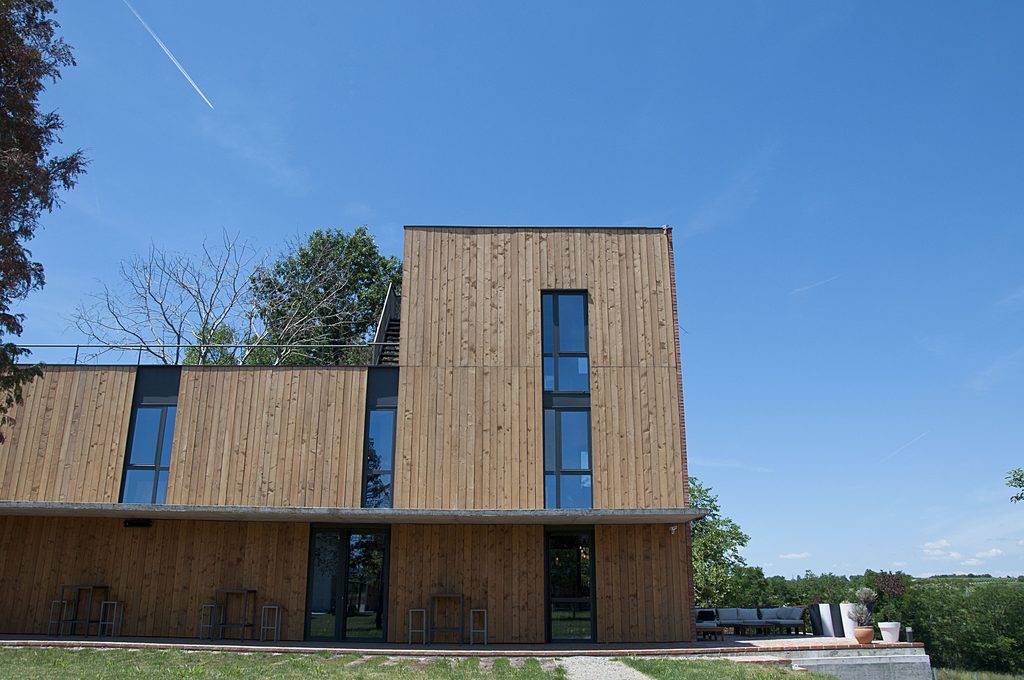
The winery was built in a secluded spot among vineyards and almost untouched countryside, in a modern, minimalist style that made no attempt to imitate old cellars. They created five tasting rooms, allowing them to host around a hundred guests simultaneously, then added facilities for families with children.
More visitors arrived for tastings, corporate events and business gatherings. The owners nevertheless tried to maintain a boundary between wine tourism and celebrations with little connection to wine. They did not want the winery to become a wedding hall in a vineyard.
Boris Bakalov was responsible for Virtus’s photography and visual identity. Once, the two friends had written comic songs about each other; now, they developed labels and campaigns together. Boris shaped the winery’s visual presence, while Bojan turned it into a story for the market.
During the pandemic lockdown, their worlds also met on camera. The video for Heroj-Hero-was filmed at Virtus while concert halls were closed and the winery sought ways to remain visible to its audience. Vineyards, modern architecture and the band’s music belonged to the same people.
Virtus occasionally appeared backstage, but Bojan’s new career did not change his bandmates’ drinking habits.
“Some things never change. Occasionally, someone joins me for wine, usually Boris. He has to, since he’s the winery’s designer, photographer and collaborator.”
Nor did Bojan combine wine and music quite as one might expect from someone making a living from both. Outside rehearsals and performances, he rarely listened to music, mostly doing so in the car. And then, of course, he was not drinking wine.
The connection lay in how both worlds brought people together, rather than in finding a song for every glass of Marselan.
Alongside volleyball, music and wine, there was another occupation: he occasionally worked as a driving instructor and co-owned a driving school in Vrbas.
Yet he accepted none of his professions as a complete definition of himself.
“When I was an athlete, I never thought of myself as an athlete. As a musician, I never felt like a musician. So I couldn’t say I was a winemaker either.”
Almost a decade at Virtus taught him to follow the growing season, understand why people watched the sky in July and explain to customers why Marselan from Viteževo was more than just another red wine. He continued working with the winery even after the form of that collaboration changed.
Still, he would pause before allowing himself the word “winemaker”. He had managed neither vineyard nor fermentation, but had learned how wine was made and how to convey its story to someone standing before a shelf without a reason to choose that particular bottle.
“The fact is that I’ve gone very deeply into it. I’ve grown to love wine enormously. And somewhere deep down, I probably am-a winemaker.”
That admission was enough. He did not need to become an oenologist for wine to be his work, just as he did not need to be a guitar virtuoso for his songs to fill halls. His place was often between the wine and its audience: where the right words had to be found and knowledge must not become an obstacle to enjoyment.
Ničim izazvan continued releasing songs, recording albums and filling venues. The band had no leader with the final say: each member contributed their own part, while Bojan and Boris remained each other’s first critics and filters.
Bojan did not want the band remembered one day according to the genre pigeonhole into which it had been placed.
“In ten or twenty years, I’d like people simply to say: that Ničim izazvan really was a good band.”
He applied a similar measure to wine. Customers did not need to know how large a winery was, how many medals it had won or whether a label belonged to whatever trend the wine world currently considered important. Ultimately, they should want another glass.
By mid-2025, he no longer introduced himself through a single role or reduced his story to the title he had held at Virtus for years. He continued working with the winery, travelling with the band and developing projects of his own under the name Heroj. Once again, he had changed the way he worked, but not his need to keep moving.
In Leipzig, his only warmth had come from a radiator. Wine was then an unfamiliar bottle in a bag, and music a life that had not yet begun. At the door of a small wine shop, a shopkeeper had made him smile with one sentence at a time when he had little to smile about.
“Have fun with your wine!”
Bojan Gluvajić took his advice. Perhaps a little more seriously than the shopkeeper expected.