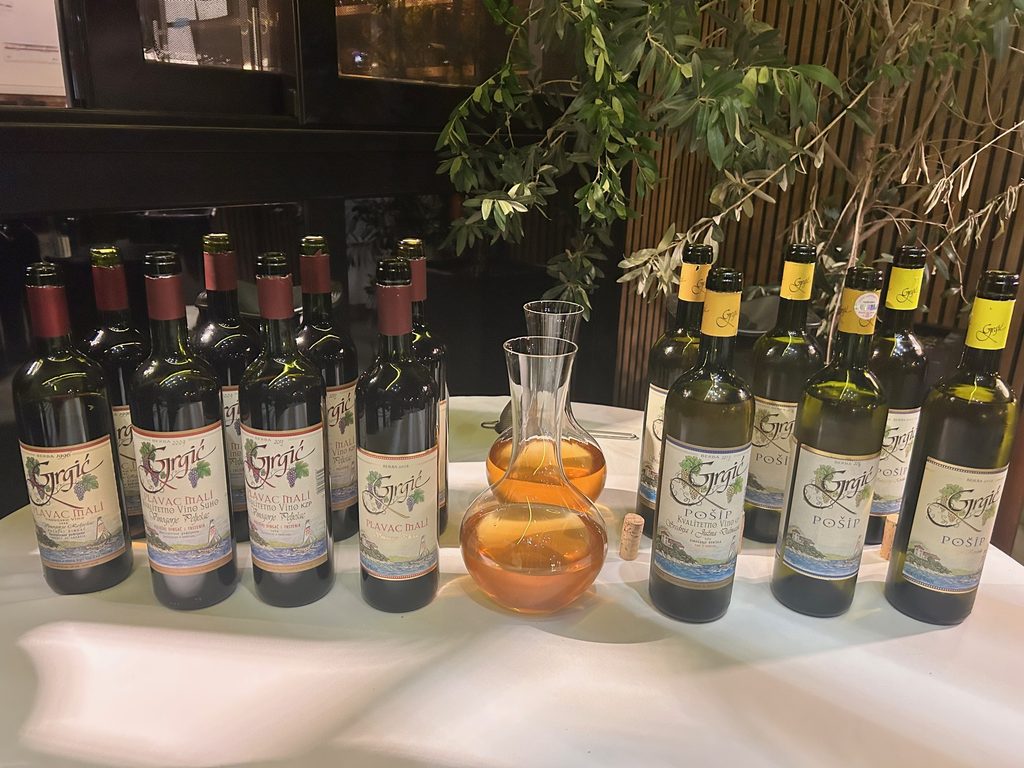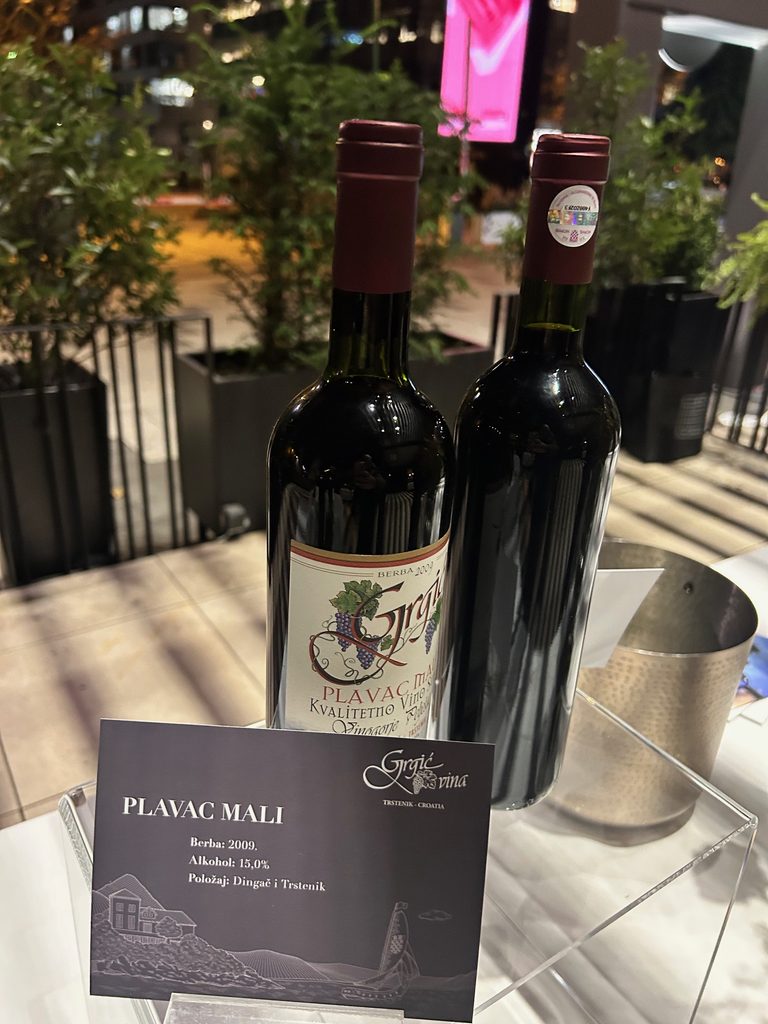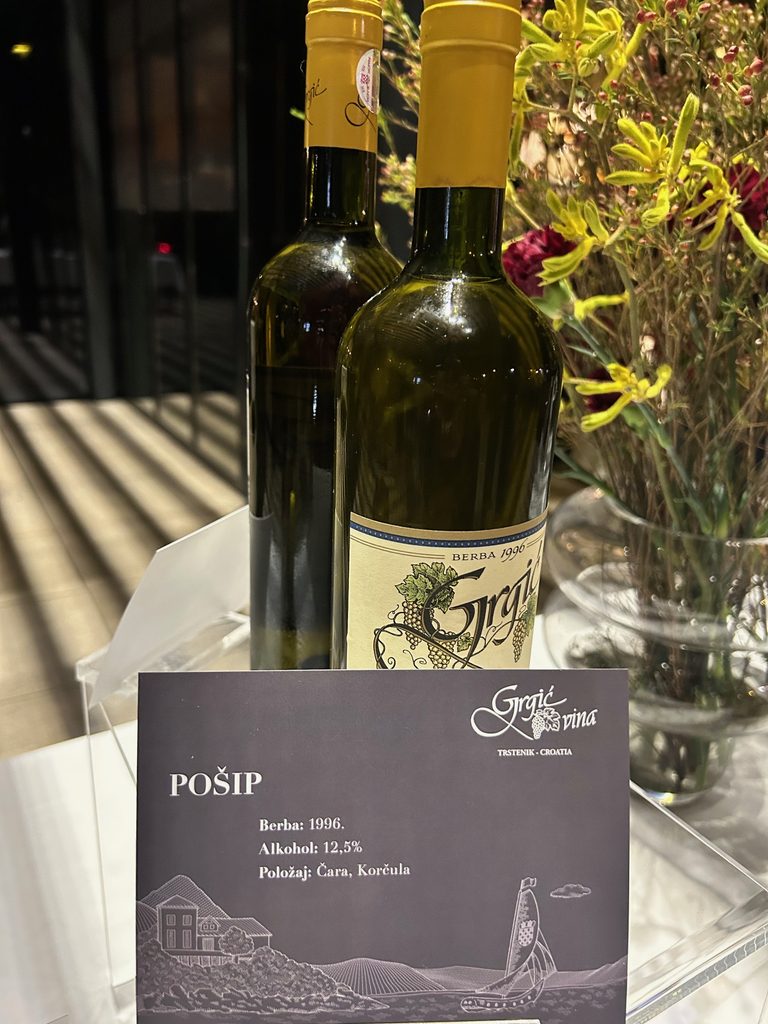
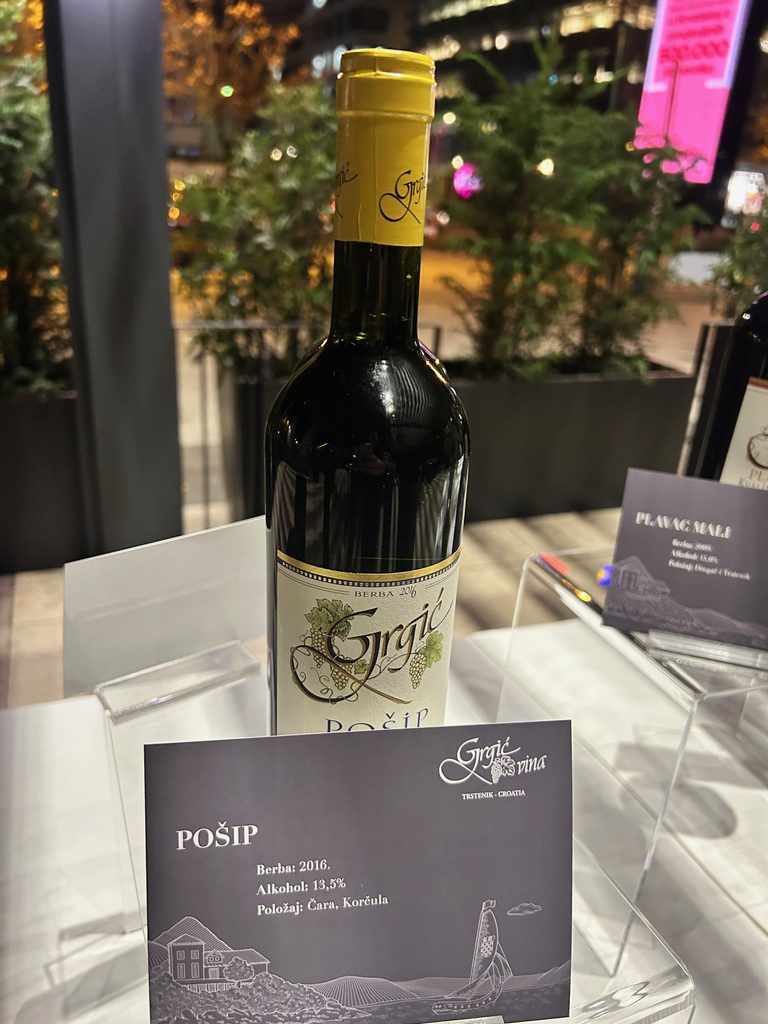
If I could have taken home one of the thousand bottles of Icon from Zagreb’s Mano2 restaurant, I’d have stuck a little note on it with the year 2046. And I’d have been very careful where I put it in the cellar. Judging by what Grgić Wines poured for us on 17 November, before we’d even sat down, that Plavac could be quite a treat in twenty years.
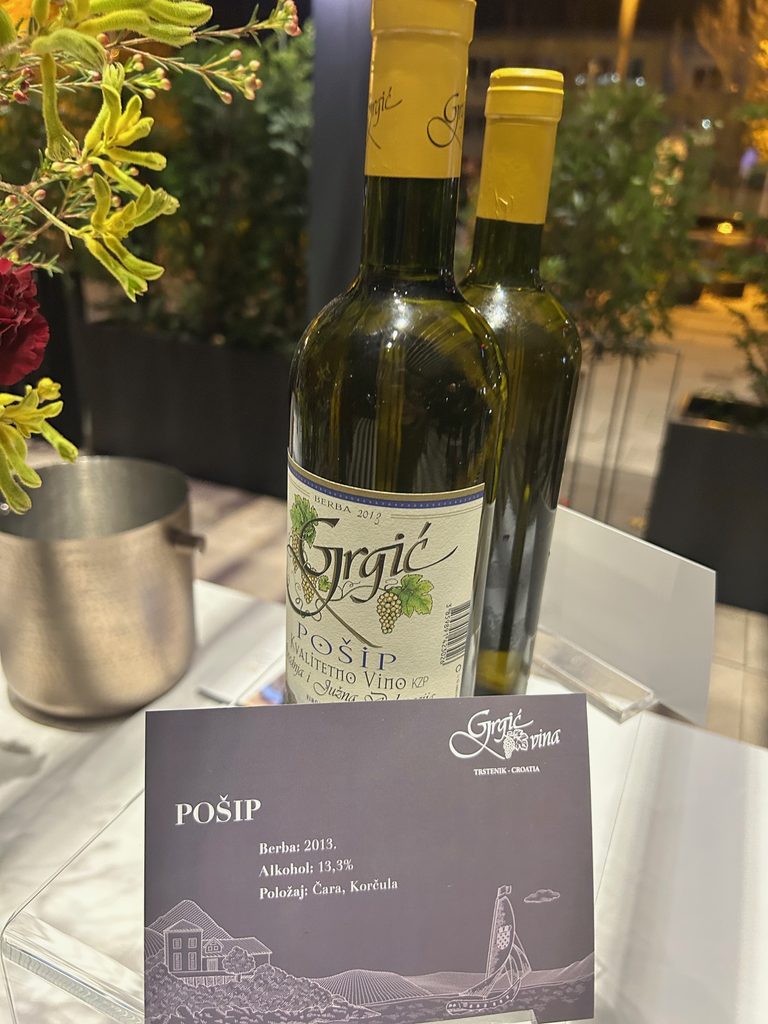
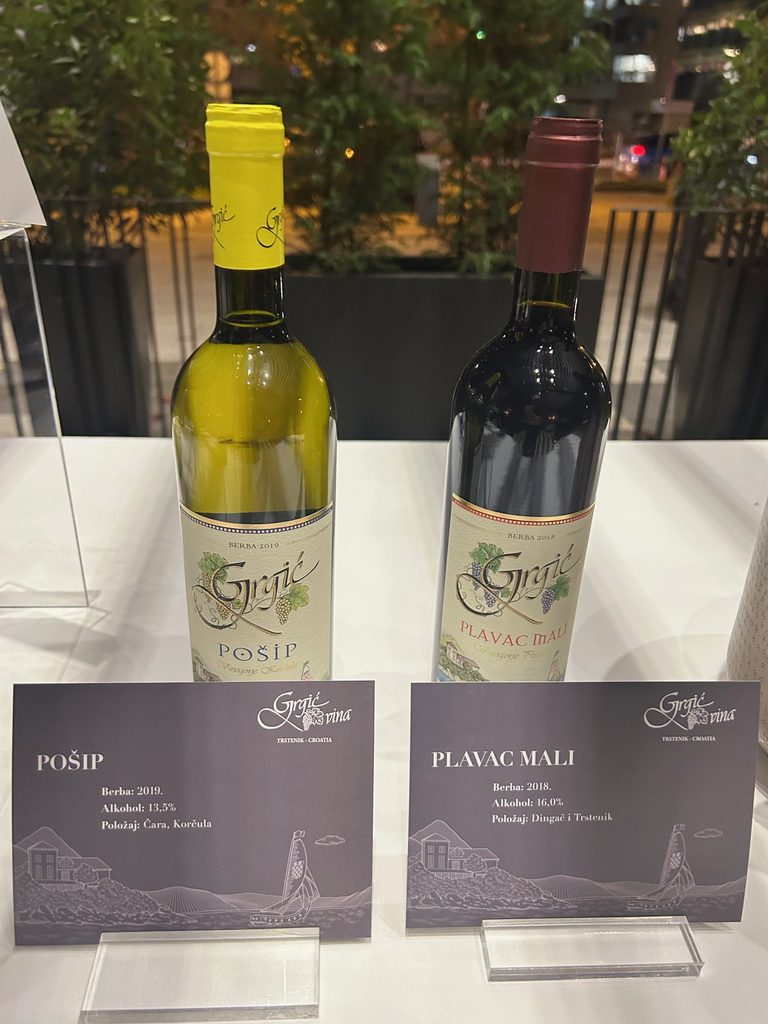
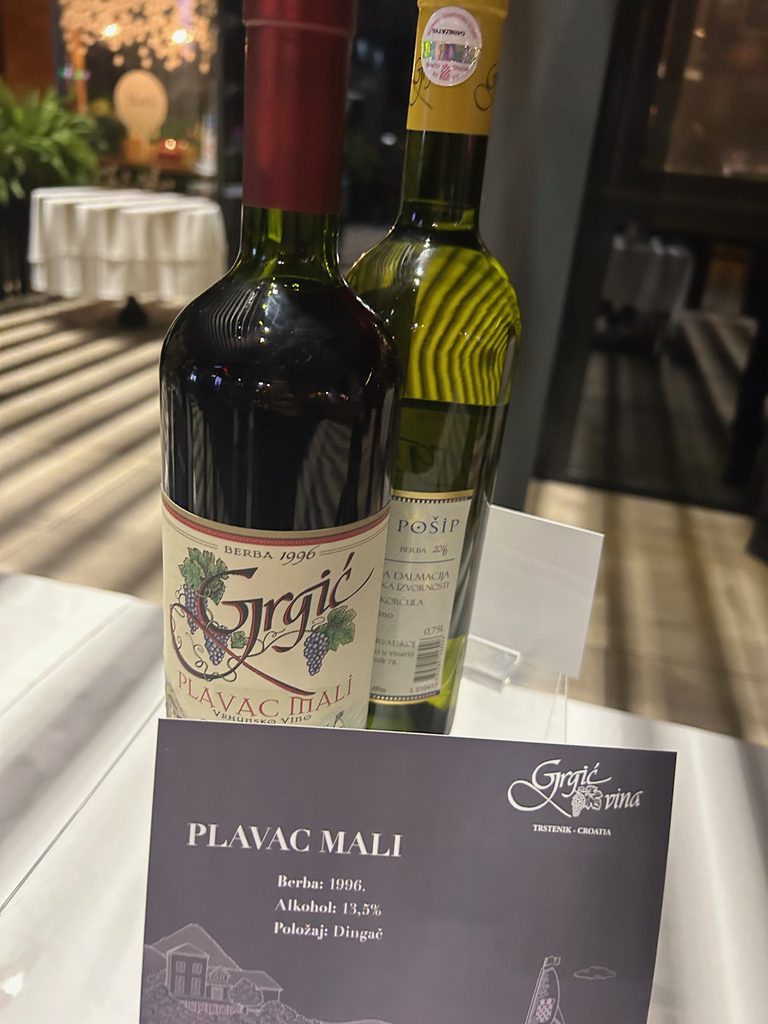
We’d come to the launch to taste a wine from 2023, and 1996 was there to greet us. One label said Pošip from Čara, the other Plavac Mali from Dingač. Two grape varieties, two vineyard sites and the same year, the one that began the thirty-year history of Grgić Wines. Alongside them, they poured Pošip from 2013, 2015 and 2019, and Plavac from 2009, 2013 and 2018. It feels a little cheeky to call a tasting like that a warm-up. How often do you get to taste a thirty-year-old Pošip and a thirty-year-old Plavac in the same evening, and they haven’t even called you in for dinner yet?
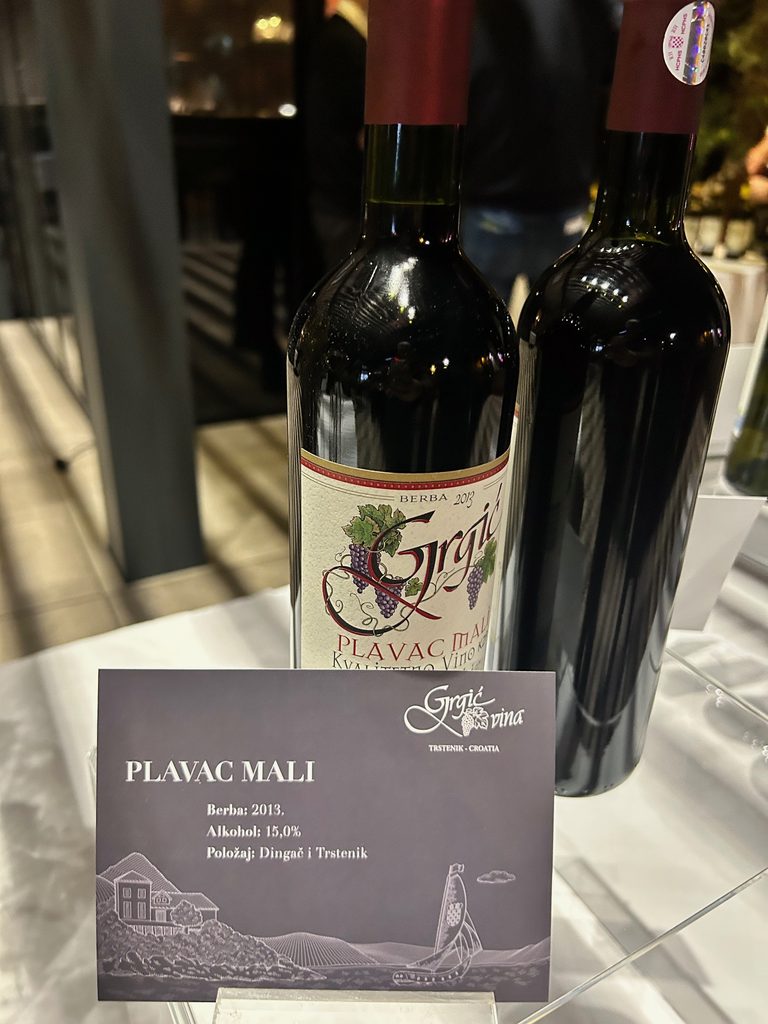
The card beside the 1996 Pošip said 12.5 per cent alcohol. The Plavac from the same year was at 13.5. The 2013 Plavac came in at 15, and the 2018 at a full 16. So there we were with two wines that had made it to thirty with less alcohol than either of those two younger Plavacs. I remembered them well when Icon came around at 16.5.
Of all those older wines, the one I lingered over longest was the 2013 Plavac, from Dingač and Trstenik. Thirteen years after harvest, it was brilliant. Among the whites, I kept going back to the 2015 Pošip. At tastings like this, it’s easy to find yourself giving the oldest bottle most of your attention simply because it’s a wonder it survived long enough to make it into your glass. That evening I went back to those two glasses for a simpler reason. I wanted another sip of exactly what was in them.
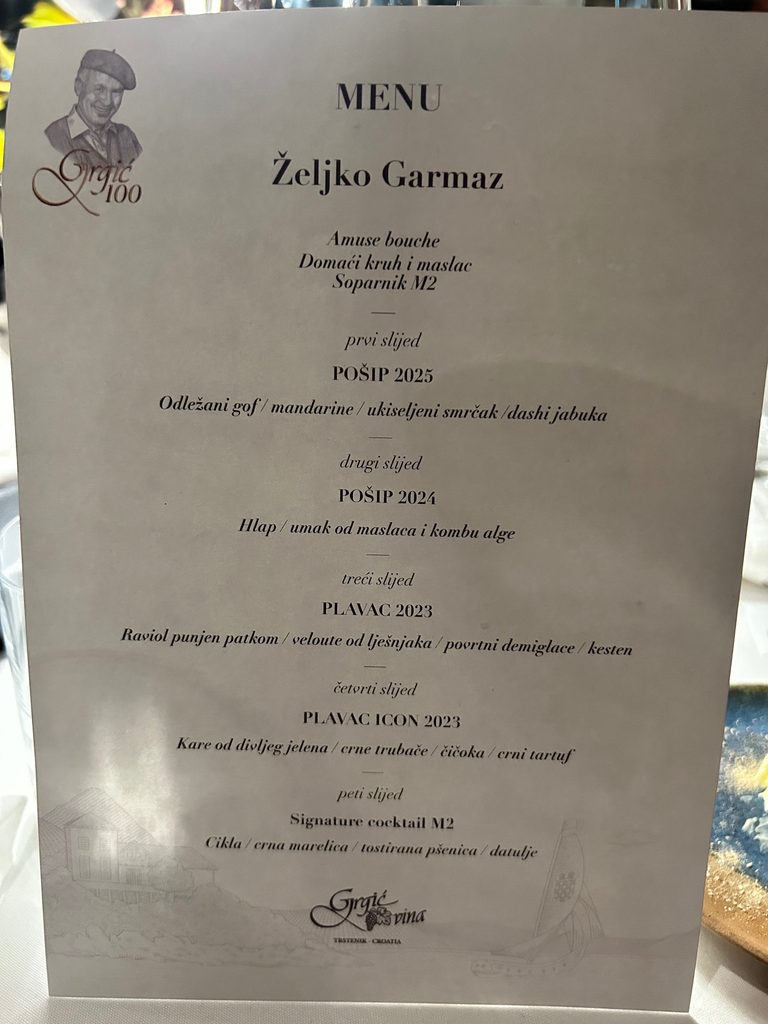
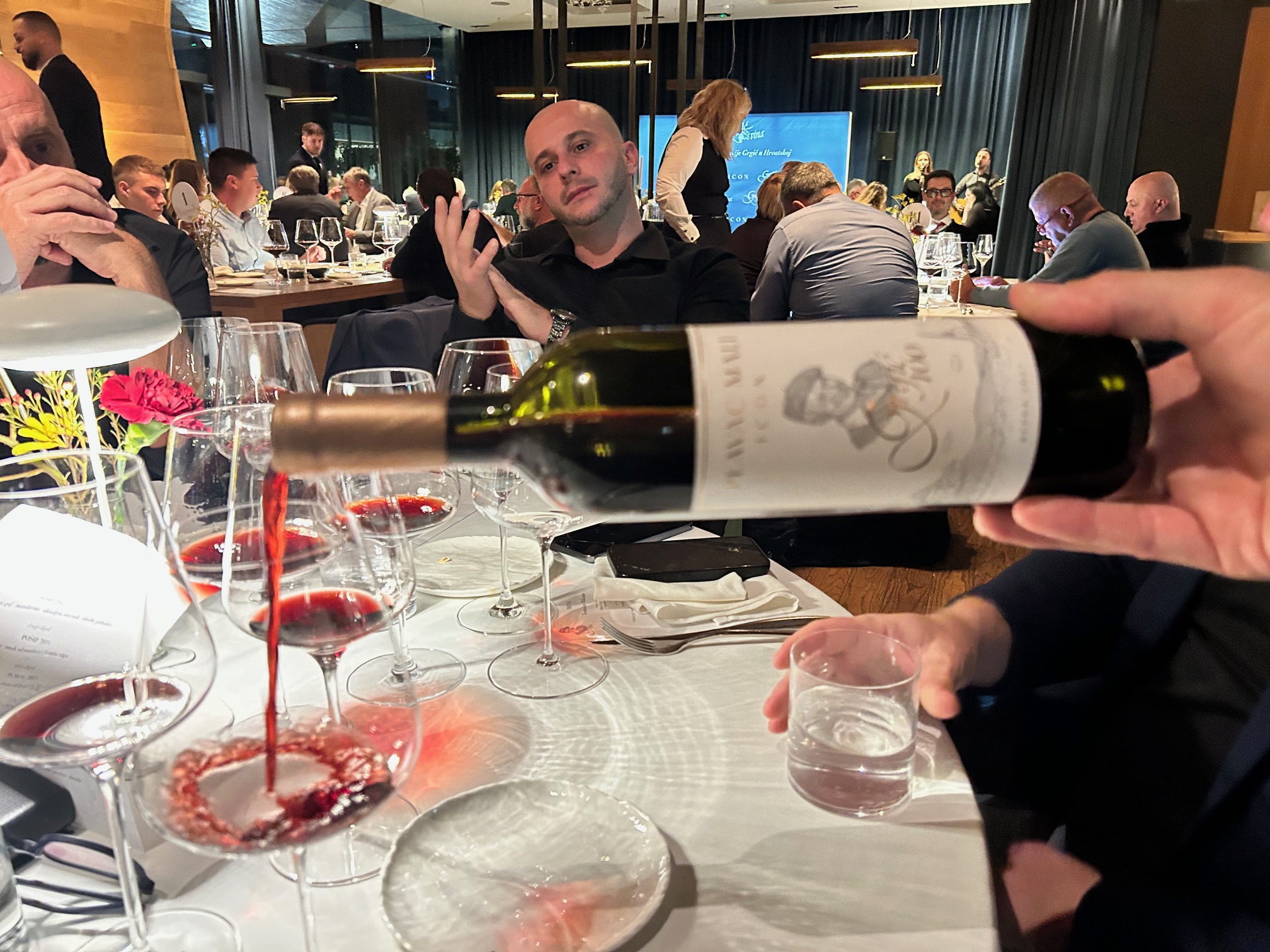
When we sat down, there was Mike in his beret at the top of the menu, with the number 100 beside him. Miljenko ‘Mike’ Grgich celebrated his hundredth birthday in 2023. In his honour, the winery bottled a thousand bottles of Plavac Mali from that vintage and called it Icon. At Mano2, it was served with the fourth course, a rack of wild venison with black trumpet mushrooms, Jerusalem artichoke and black truffle. Just before it, with a duck raviolo, hazelnut and chestnut, we tasted another Plavac from the same year. Two Plavacs, one vintage, two glasses in quick succession. A lovely way to get to know a new wine while you can still taste the previous one. Before the reds came a 2025 Pošip with aged amberjack, mandarins and pickled morel, followed by a 2024 Pošip with lobster, butter and kombu.
When I spoke to Violet Grgich, she told me what her father and Austin Hills had done on 4 July 1977, when they began building the winery in Napa. They poured several historic wines into one corner of the foundation. Among them was the 1973 Château Montelena Chardonnay, the wine with which Mike had beaten the French whites at a blind tasting in Paris the year before. Violet was a little girl then, and she saw how happy her father was as his winery went up. Decades later, she still sounded just as excited when she singled out the date. ‘And on the Fourth of July — freedom!!!’
Had they kept that bottle, it would be a relic today. They opened it on a day that mattered to him. I thought of that when I wondered what I’d do with a bottle of Icon. I’d keep it for a long, loooong time, and then I’d decide whom to invite to dinner. It’s easy to joke that all 16.5 per cent of that alcohol will take care of preserving the wine. It was the 2013 Plavac and the 2015 Pošip that talked me into waiting. After an evening like that, I can picture someone in 2046 glad that one of those thousand bottles had made it to dinner.
And if I opened it a few years early? I’d think of Mike and that bottle in the foundation. I reckon he’d forgive me, provided I’d chosen the company well.